The Future of Tech and Its Impact on Employment
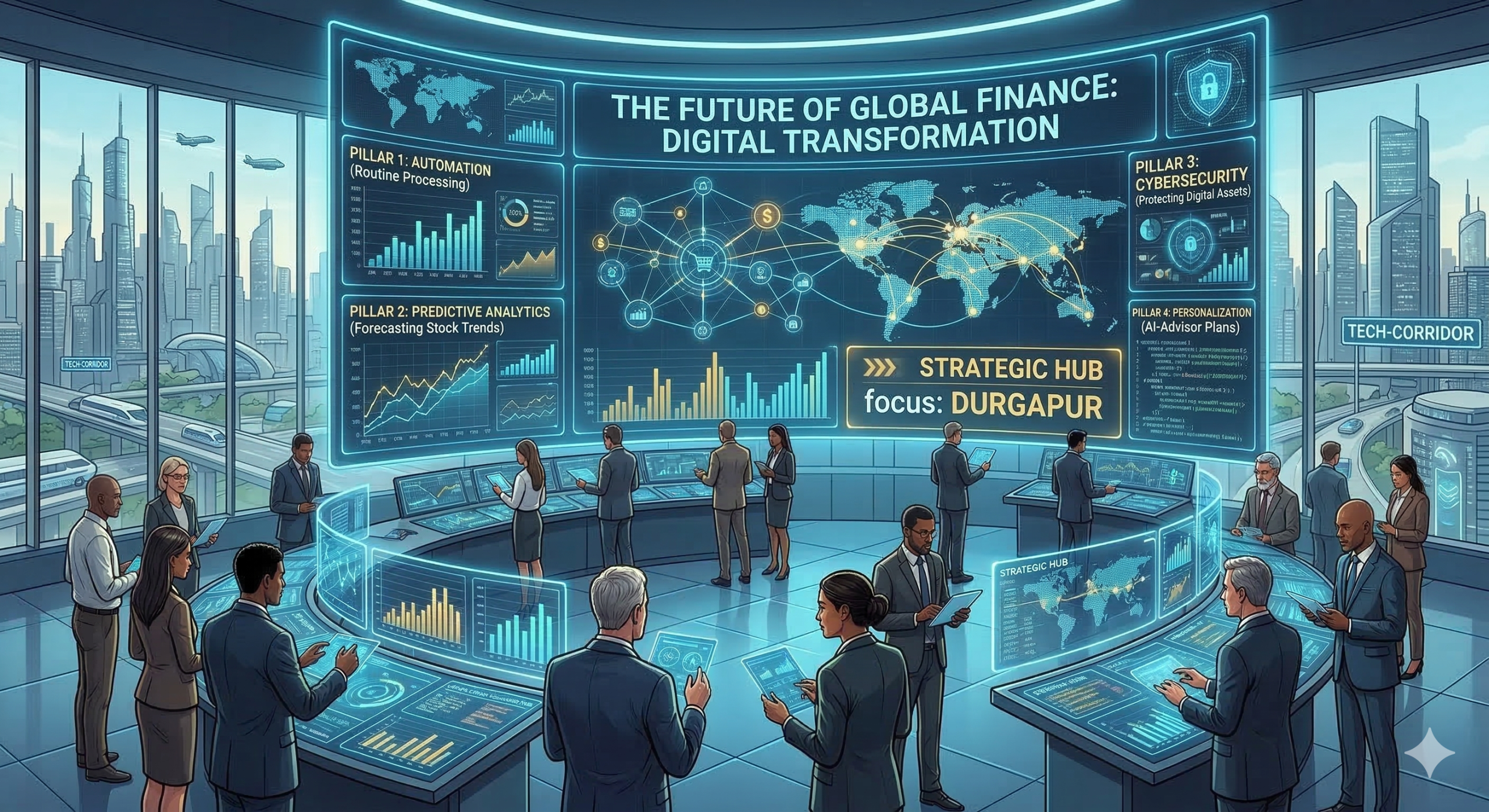
We’ve all heard the warnings: “Robots are coming for your desk,” or “AI will make human labor obsolete.” It’s a chilling thought, especially as we witness Artificial Intelligence (AI) evolving from simple chatbots to systems capable of writing code, diagnosing diseases, and creating art. But is it all doom and gloom? Or is AI simply the next great tool in our professional toolkit?
The Evolution of the Job Market
History shows us that technology doesn’t just “kill” jobs; it transforms them.
- The Industrial Revolution: Replaced hand-weaving with machines but created a massive textile industry.
- The Computer Age: Phased out manual ledgers and switchboard operators but gave birth to software engineering and digital marketing.
AI follows this same pattern. While repetitive, data-heavy, and manual tasks are at risk of automation, new roles are emerging—roles like AI Prompt Engineers, Ethics Officers, and Data Curators that didn’t exist five years ago.
Collaboration Over Replacement
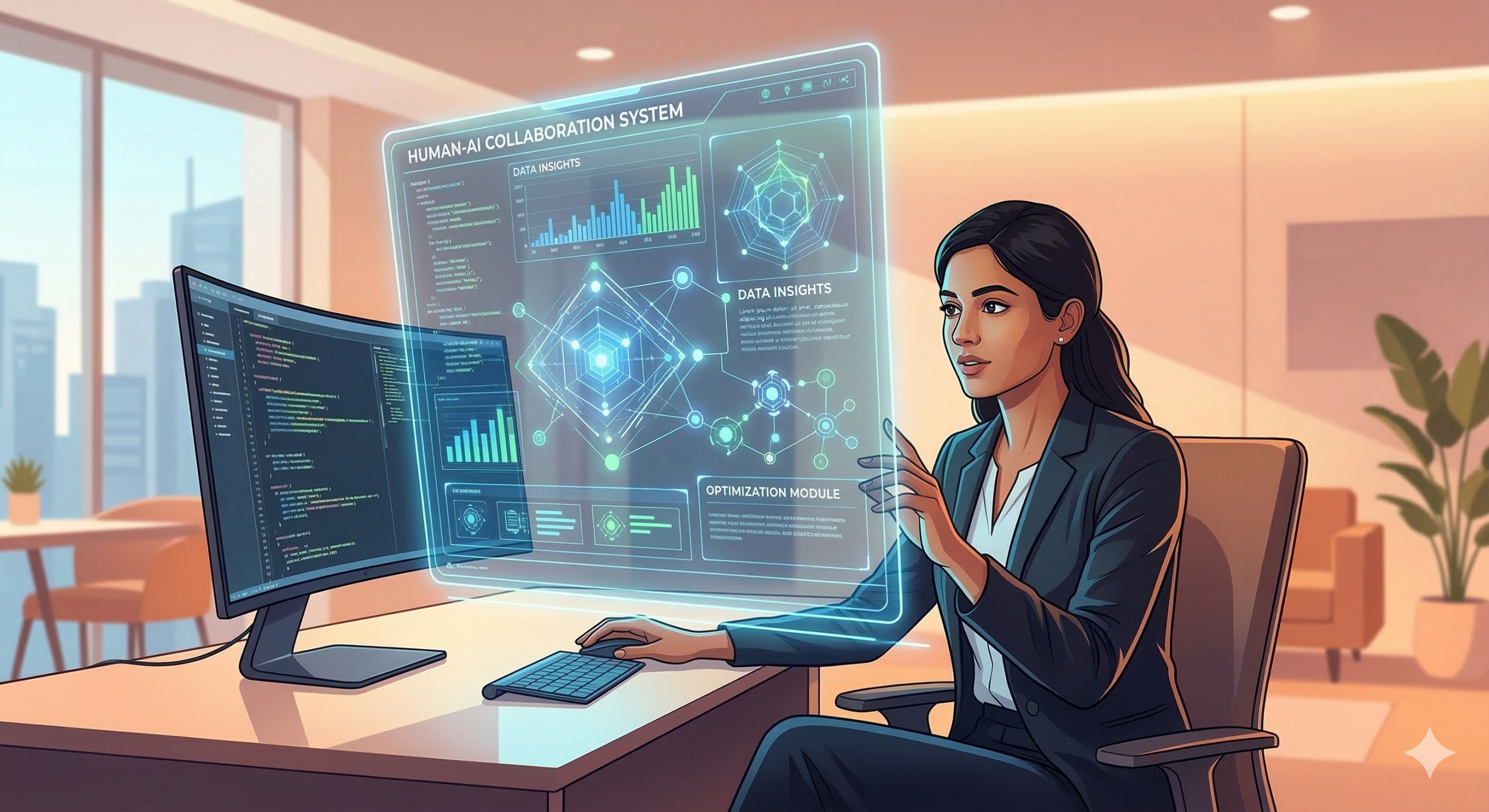
The most likely future isn’t a world without human workers, but a world of Human-AI Collaboration. Think of AI as an “Exoskeleton for the Mind.”
- In Medicine: AI can scan thousands of X-rays in seconds to find anomalies, allowing doctors to focus on complex surgery and patient empathy.
- In Creative Fields: AI handles the “grunt work” of resizing images or organizing files, leaving designers more time for the actual spark of genius.
“AI won’t replace humans, but humans who use AI will replace those who don’t.”
Essential Skills for the AI Era
To stay relevant, we must lean into the traits that machines struggle to replicate. These “human-centric” skills include:
| Skill | Why it Matters |
| Critical Thinking | AI can provide answers, but humans must ask the right questions and verify the truth. |
| Emotional Intelligence | Machines can’t truly feel. Empathy and negotiation remain uniquely human. |
| Creative Problem Solving | AI works on patterns; humans can think “outside the box” to find non-linear solutions. |
| Adaptability | The ability to learn and unlearn new tools as tech shifts every few months. |